MNISOSE BIOREGION
In Partnership with the Oglala Lakota
The Lakota | Protectors of Mnisose, the Longest River
The Lakota people are one of the Oceti Šakowiŋ (Seven Council Fires) Nations of the Great Plains of North America.
They call the Missouri River Mnisose, “the turbid water”, a living artery that runs through the heart of the continent.
For generations, Lakota communities have defended land, water, and spiritual sovereignty against forced removal, broken treaties, and extractive development.
Their relationship to Mnisose is not political.
It is sacred.
When the river is harmed, the people are harmed.
When the people are restored, the river can heal.
Sovereignty Is Healing.
We stand with Oglala Lakota leaders in the Mnisose Bioregion to support land-based healing, women-led initiatives, and the restoration of sacred spiritual practices.
This is not charity.
It is solidarity.
The Reality
Lakota communities continue to face the impacts of land dispossession, resource extraction, and systemic inequity.
Sacred sites have been disrupted.
Water systems have been threatened.
Cultural and spiritual traditions have endured pressure for generations.
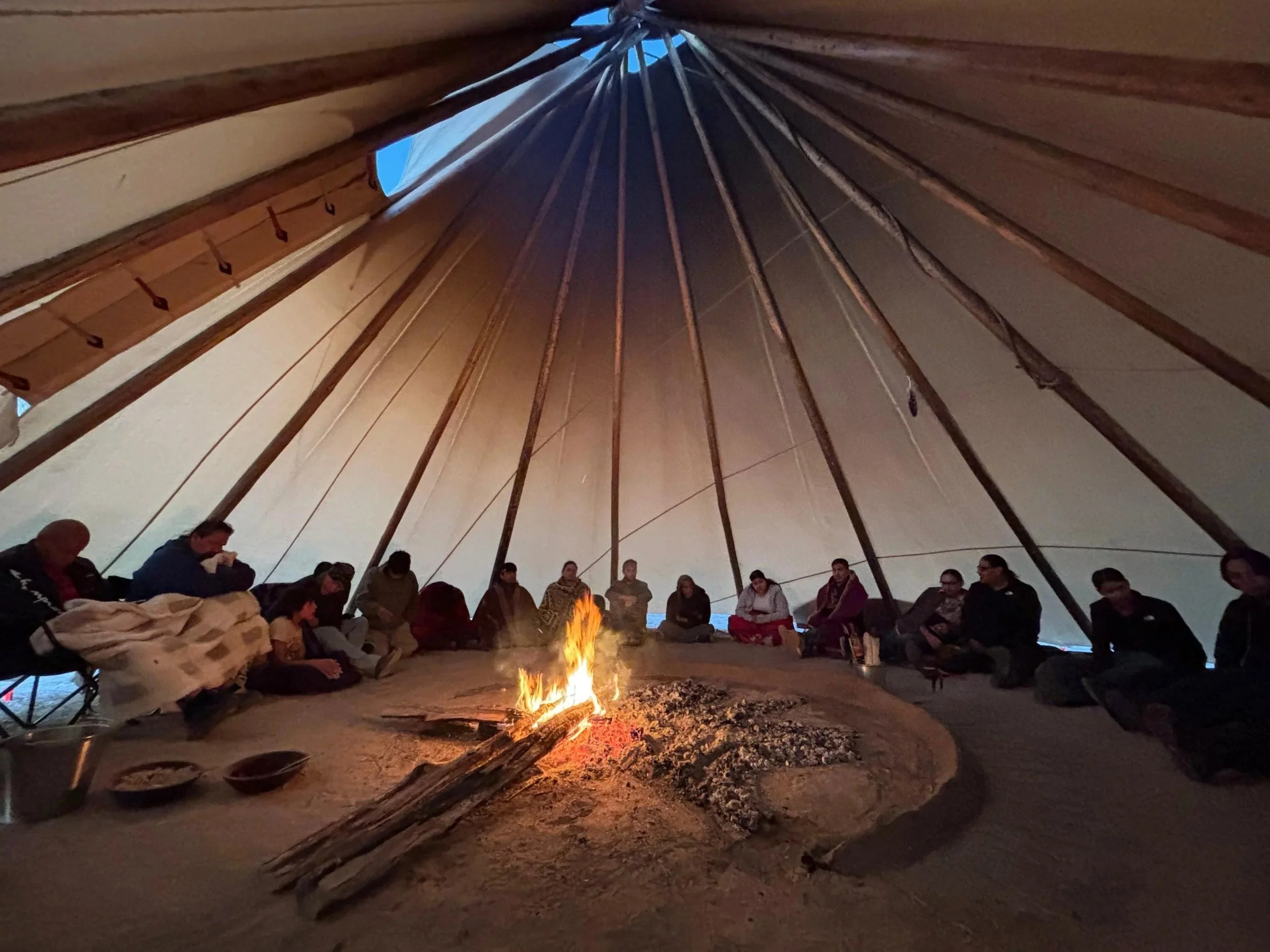
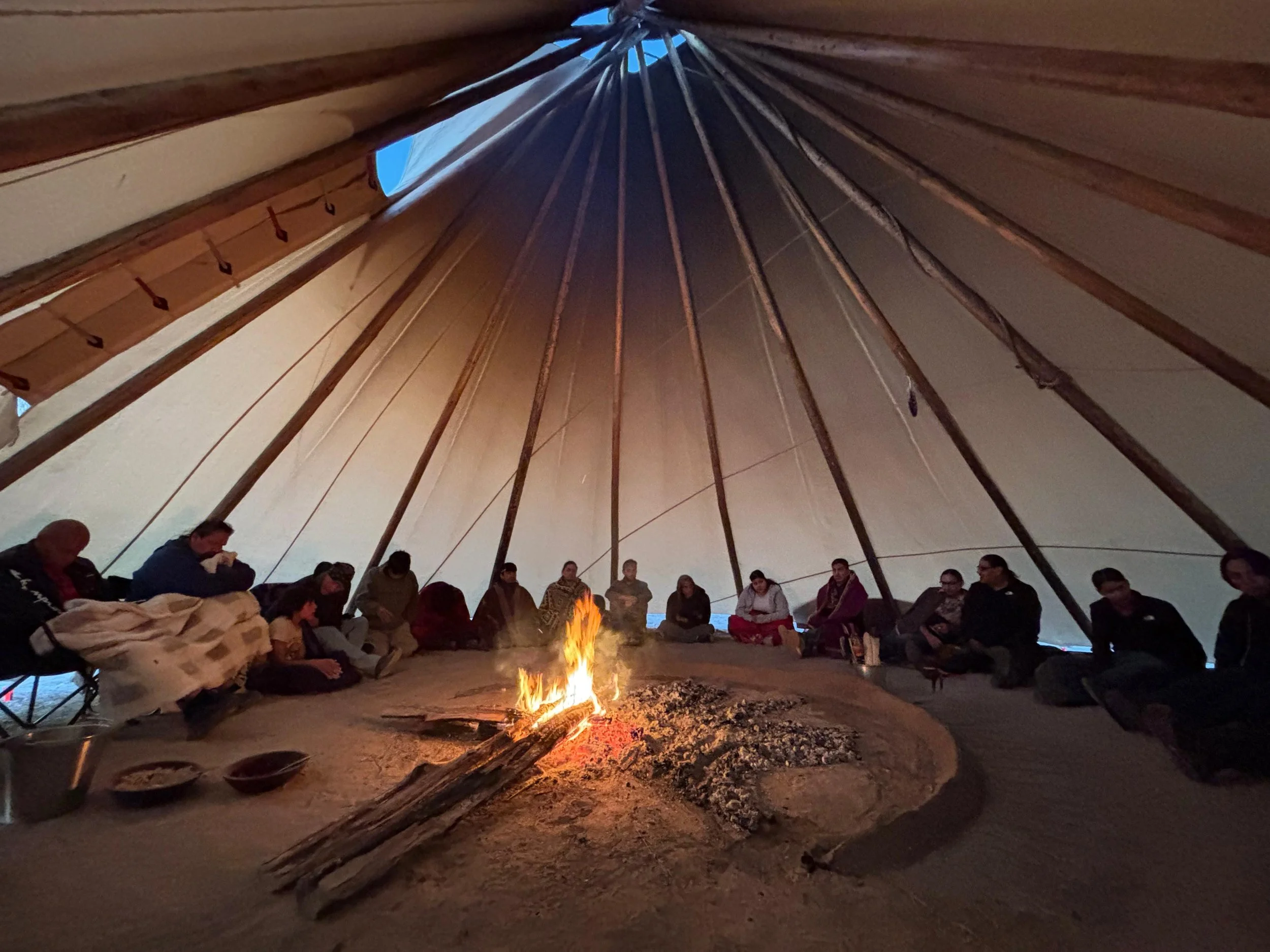
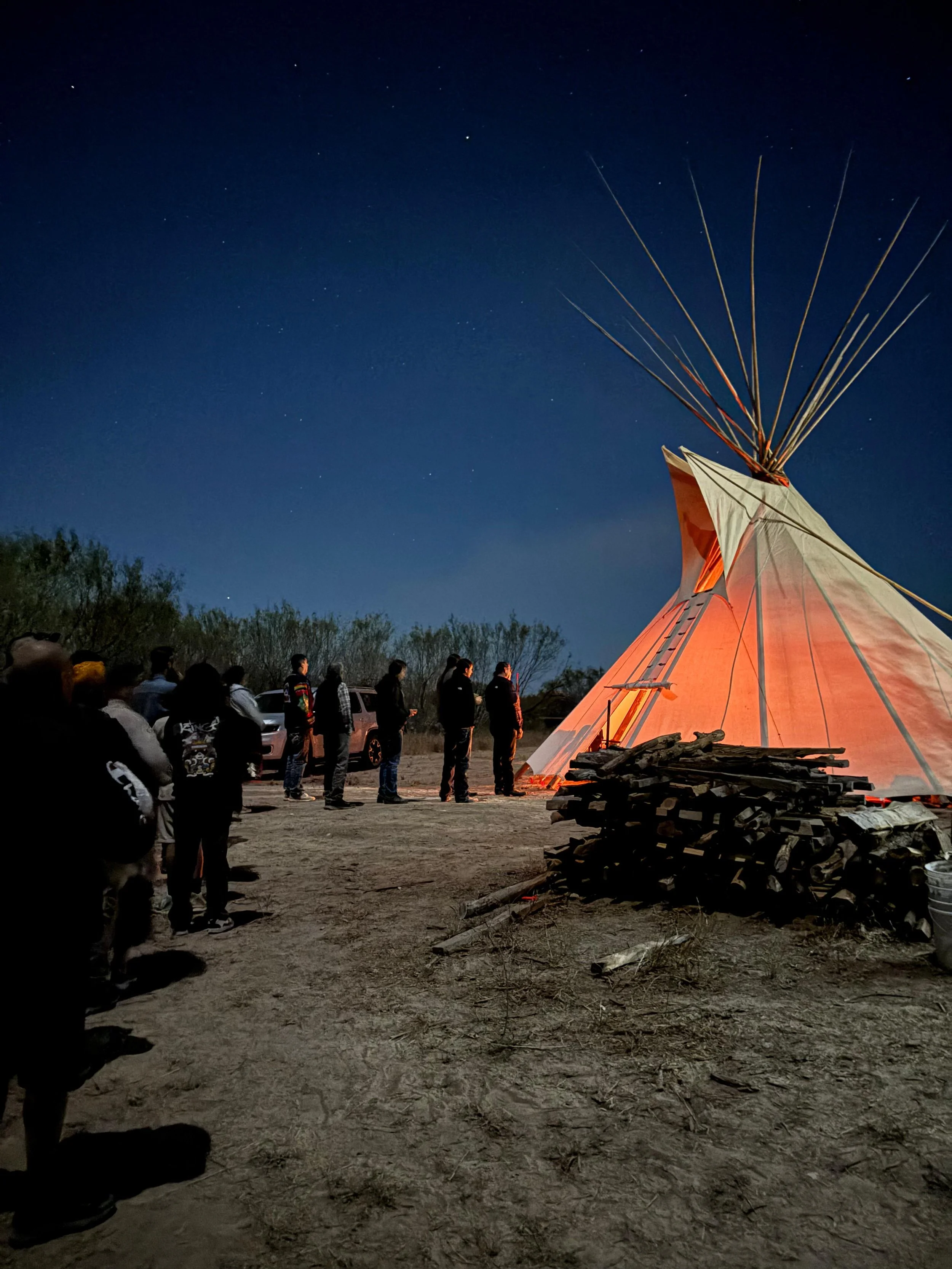
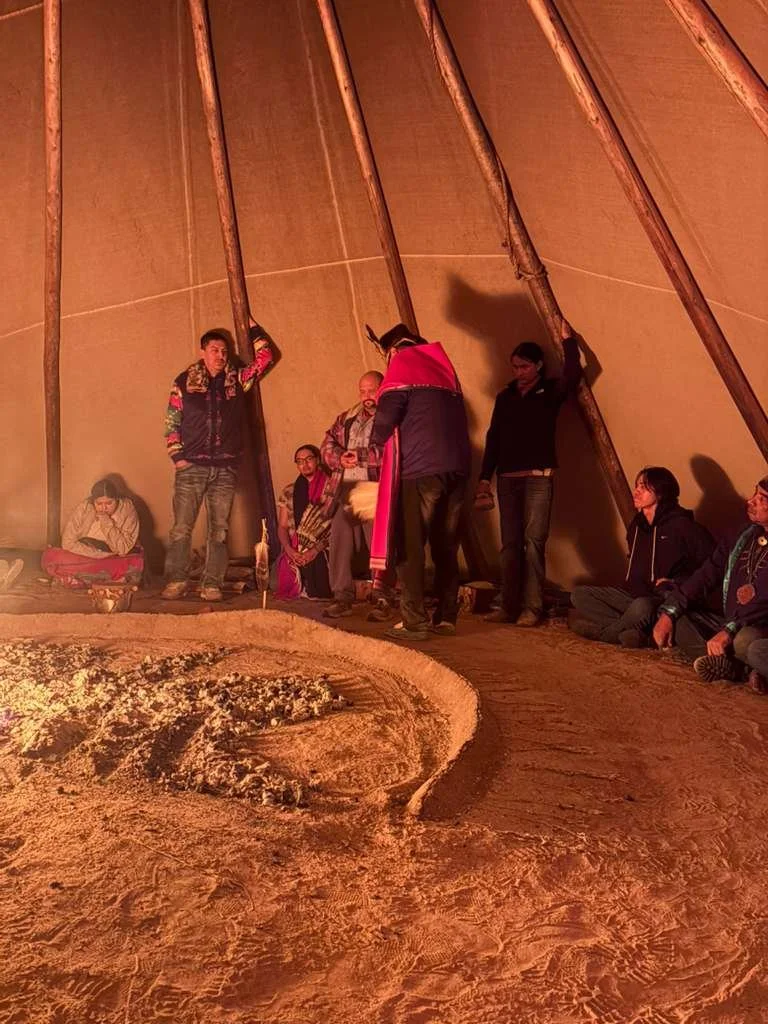
Yet ceremony continues.
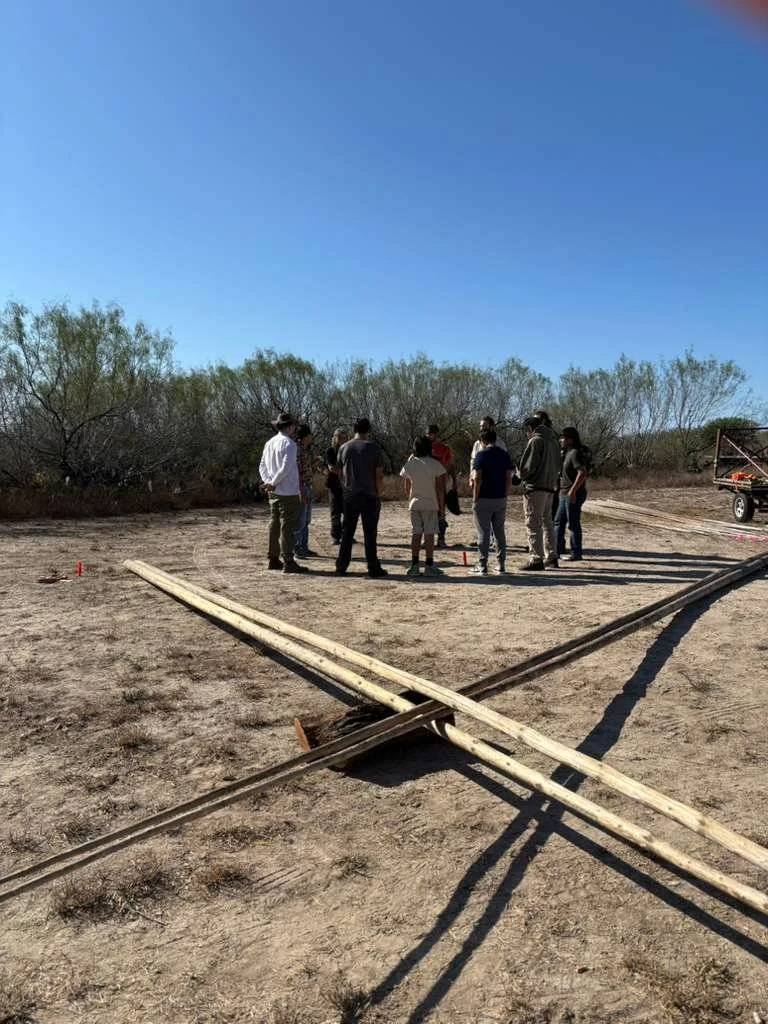
Prayer lodges are still built.
Songs are still carried.
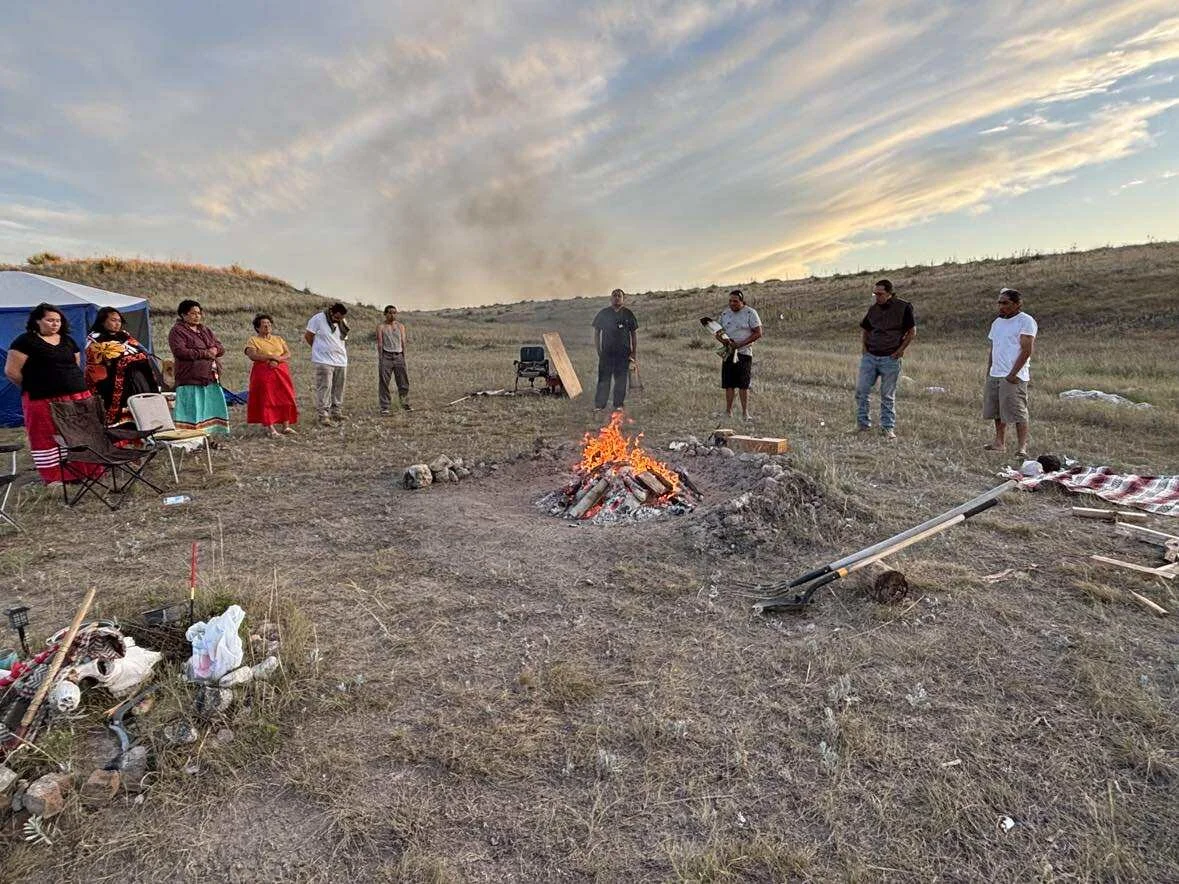
Community gatherings remain the foundation of resilience.
The path forward is not external intervention.
It is strengthening what already exists.
What We Are Building Together
Ancestral Healing Center Development
• Support for land-based healing infrastructure
• Community gathering space rooted in Lakota values
• Long-term bioregional cultural stability
Sacred Ceremony & Native American Church Support
• Protection of peyote-based ceremonial practice
• Strengthening spiritual leadership continuity
• Community prayer and cultural resilience initiatives
Women’s Healing & Leadership Gatherings
• Women-led ceremonial spaces
• Intergenerational healing initiatives
• Strengthening family and community structures
Why This Matters Globally
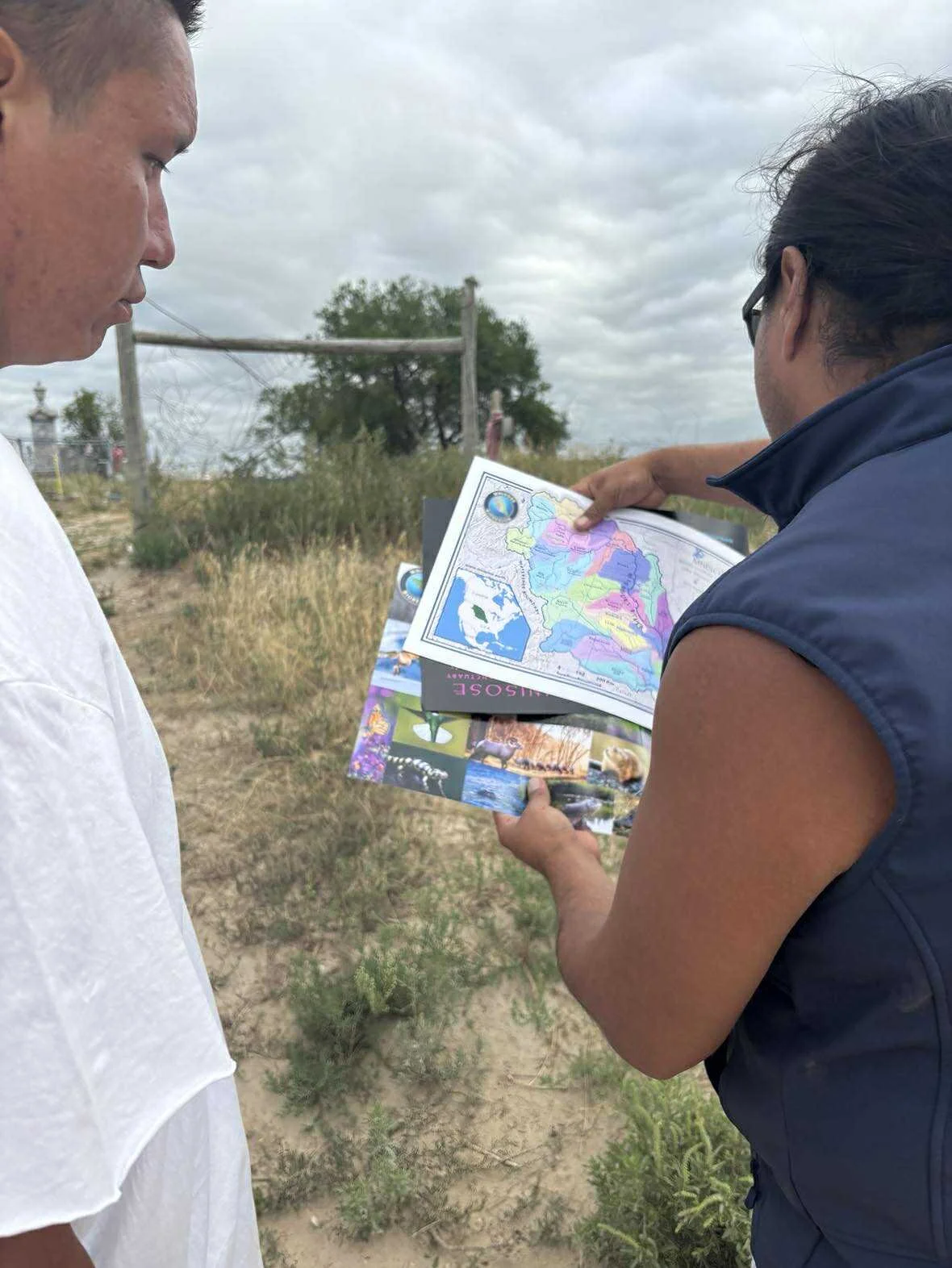
The Missouri River watershed touches multiple states and millions of people.
Water systems do not recognize political borders.
The Lakota understanding of reciprocity, that humans must live in right relationship with land and water, offers a model of ecological responsibility urgently needed today.
Bioregional Impact Goals
Strengthen land-based Lakota healing infrastructure
Support sacred ceremonial continuity
Empower women-led community initiatives
Protect water and land within the Mnisose watershed
How You Can Support
Contribute to the development of the ancestral healing center
Support ceremonial and community gatherings
Fund women-led healing initiatives
Invest in long-term Lakota-led bioregional restoration